
Introduction
The pandemic disconnected and discontinued the learning cycles of the children. The mobile games replaced their learning routines. When the school resumed, the need was felt post COVID to improve the learning capacities of the students. Many students had forgotten to read and write especially languages such as Hindi, Marathi and English.
Covid impact had a worst effect on the weak learners. The confidence of the students was low while giving answers. They did not recognize letters and faced obstacles while reading the language textbooks and had difficulty in formation of letters and sentences in languages like Marathi and Hindi. Their basic understanding of Math was also weak. Simple mathematical expressions such as addition, subtraction, multiplication, and division were difficult for these set of students. Hence, the learning needs of weak learners was identified as the most important area to be addressed.
Program Objectives
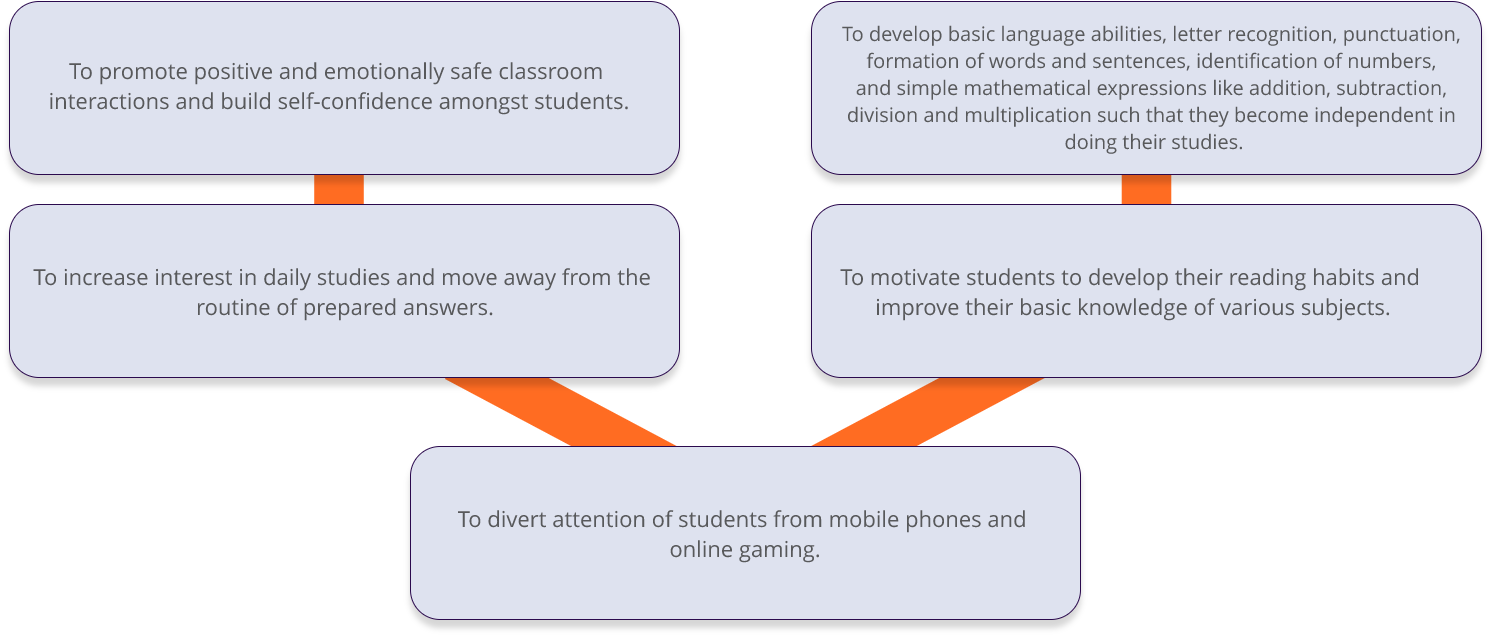
The objectives of the pilot program were:
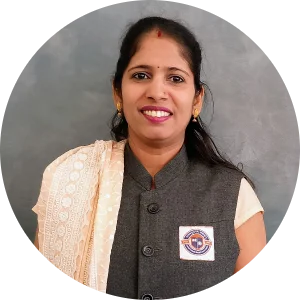
Ashalatha Sandeep Salian
Hsc , D.Ed.
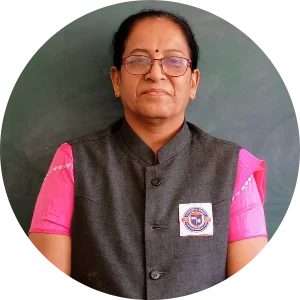
Jamuna Dinesh Chordiya
Hsc , D.Ed.
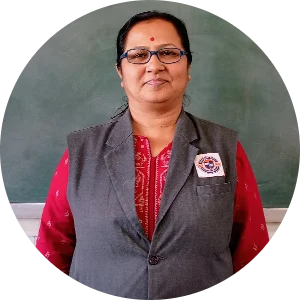
Rohini Pandurang Sole
M.com B.ed
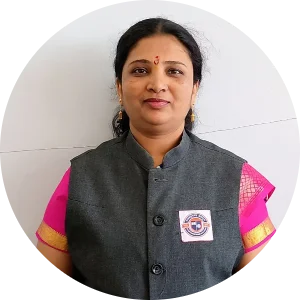
Poonam Rahul Gaikwad
M.A. B.ed, DSM
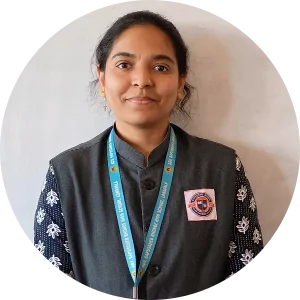
Nilofer Nadeem Khan
BA.B.Ed, MA English
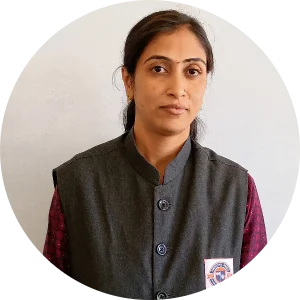
Rina Abhijeet Wankhede
MA, B.ed
The profiling of parents to be
selected as teacher was done. They were expected to have passion for teaching, polite and
understanding, adapt to every situation, proficient with the understanding of the syllabus and
passion of volunteering. These teachers underwent a rigorous teachers training program to improve
their activity-based experiential teaching skills which proved to be effective.
The students
were
provided a very friendly, emotionally safe and uplifting environment for them freely share their
learning issues with teachers and overcome them. The students were divided into three groups of 5th
and 6th std., 7th and 8th std. and 9th and 10th std. for delivering the sessions. Every day 40
minutes sessions were held for each of these three groups. The classroom setting is filled with
teaching aids and materials for practical experiments. This kind of classroom environment along with
group learning allowed students to open-up and gain confidence, ask questions to clarify their
doubts and improve their grasping of languages and math.
Evaluation
It was decided to hold separate examinations for the pilot batch of Aksharbaug students. They were evaluated based on MCQ tests, unit test focusing on short answers and practical examination. The evaluation process proved to be effective in improving the learning propensity of the children.
Student Selection Process
The Adv. Bapusaheb Bhonde high school has 2159 students out of which 169 were identified under the weak learners’ category from 5th to 10th standard. The students were selected through diagnostic testing in languages (Marathi, Hindi and English) and mathematics. Several rounds of stakeholder deliberations was conducted with the Trustees, Principals, Vice-Principals, Supervisors, Children and their Parents. These discussions provided clarity on the structure of the program.
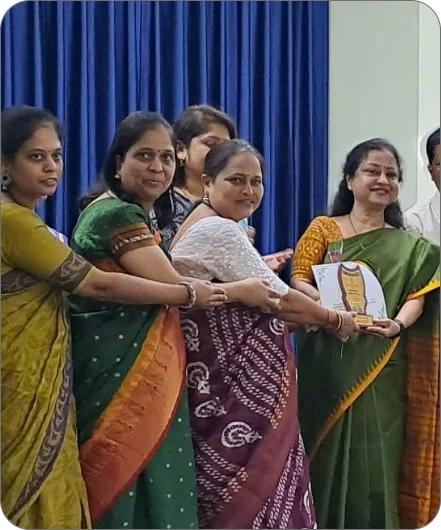
The program has won 3rd place at a district level competition organized by the State Council of Educational Research & Training (SCERT), Pune.
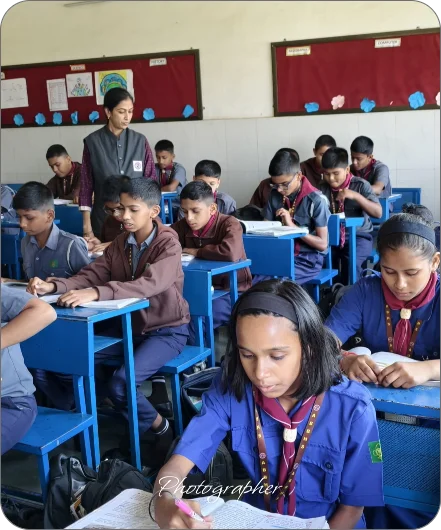
The batch size of the program when started was 169 students. As of February 2024, 79 students have been mainstreamed into regular classes. The remaining 90 students continue their improvement journey through the program.
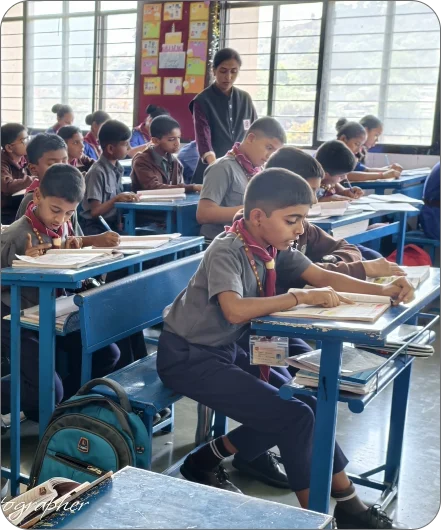
The learnings from the pilot program have provided invaluable insights that will help strengthen and expand the program for future academics.